
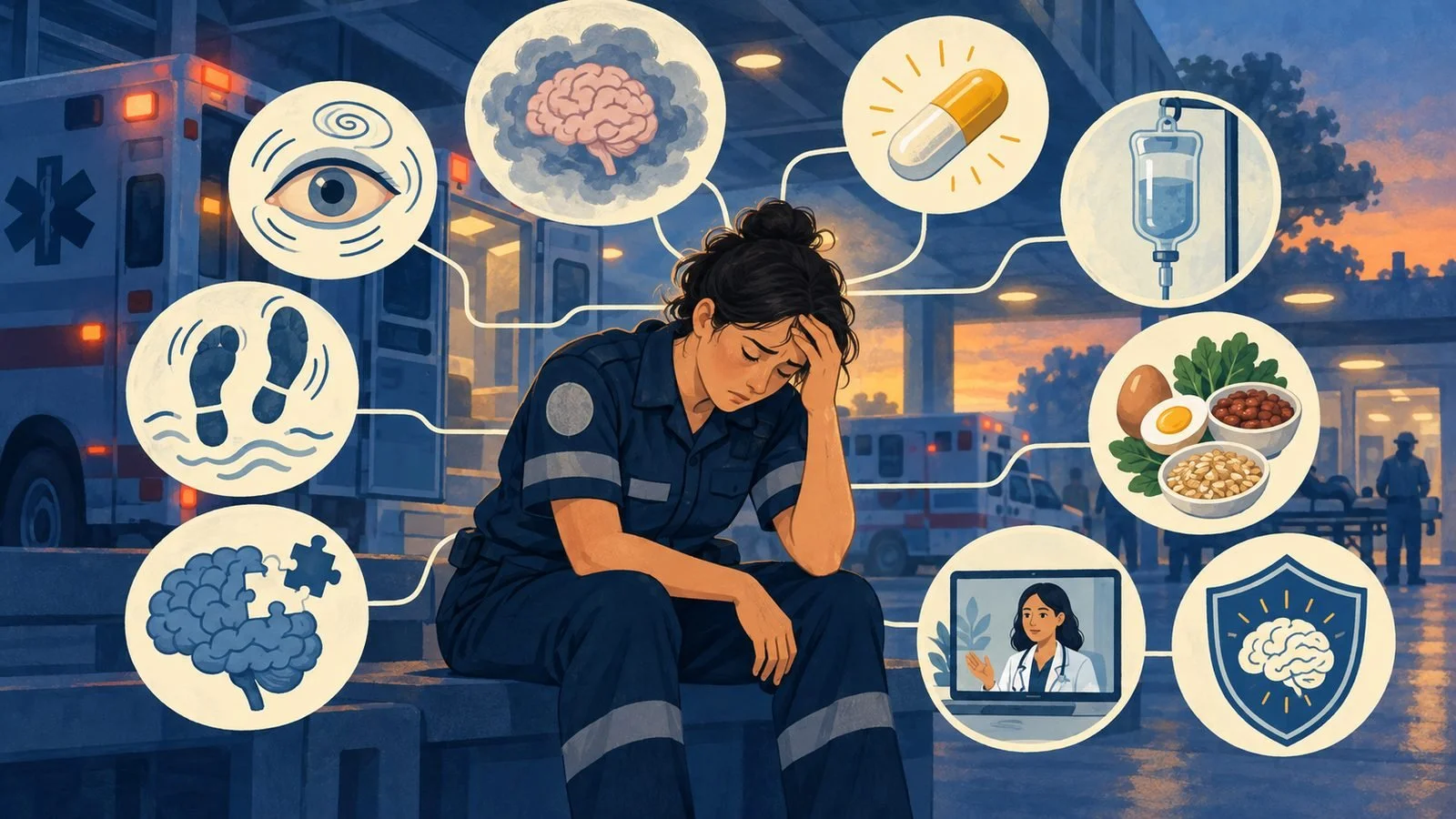
Wet Brain: Wernicke-Korsakoff Syndrome Symptoms, Causes, and Treatment
Wet brain is Wernicke-Korsakoff syndrome, a thiamine deficiency brain injury tied to heavy drinking. Learn the symptoms, stages, treatment, and outlook.
Is Bipolar Disorder Genetic? What Heredity Really Means for You and Your Family
Is bipolar genetic? Learn how heredity affects family risk, why no single gene causes bipolar disorder, and what genetic testing can and cannot tell you.

Early Sobriety: What the First Year Actually Feels Like
Early sobriety rarely follows a fixed timeline. Learn what the first week, 30 days, 60 days, six months, and one year can feel like in recovery.
Adderall Withdrawal: Timeline, Symptoms, and How to Get Through It
Learn Adderall withdrawal symptoms, how long they may last, what the timeline can look like, and when professional or emergency help is needed.
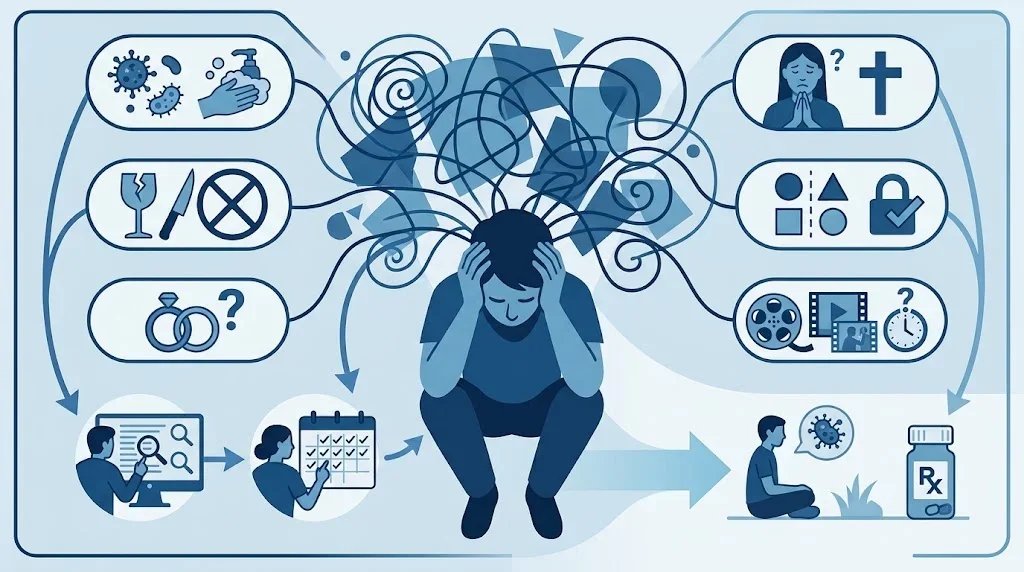
OCD and Intrusive Thoughts: Symptoms, Types, Compulsions, and Treatment
Learn how OCD intrusive thoughts lead to rumination, checking and reassurance. Explore relationship OCD, religious OCD, triggers and evidence-based treatment.

Kratom Withdrawal: Symptoms, Timeline, and How to Stop Safely
Kratom withdrawal can cause nausea, aches, anxiety, and insomnia when use stops. Learn the real timeline, warning signs, and safer ways to get support.

Adrenaline Dump: Symptoms, Causes, Crash, and Recovery
What an adrenaline dump feels like, how long it lasts, and what causes the crash. Symptoms, POTS links, recovery steps, and when to get checked.

Adrenaline Dump vs Panic Attack vs Anxiety: How to Tell
Compare adrenaline dumps, panic attacks, & anxiety by trigger, timing, symptoms, & recovery. Learn what to do and when to seek urgent medical care.

Drug-Induced Psychosis: Causes, Duration, and When to Get Emergency Help
Drug-induced psychosis brings hallucinations, paranoia, and confusion from substance use or withdrawal. Learn the causes, duration, and emergency signs.

How to Increase Dopamine Naturally: What Actually Works and What Doesn't
Learn how to increase dopamine naturally through sleep, exercise, nutrition, and daily routines, and why quick fixes and supplements often fall short.

How Is POTS Diagnosed? The Complete Guide to POTS Testing & the Tilt Table Test
A tilt table test for POTS measures heart rate and blood pressure while upright. Learn diagnostic criteria, what results mean, and how to prepare.

POTS Treatment: Can It Be Cured, Will It Go Away & How to Manage It
Medicines for POTS syndrome ease symptoms but do not cure it. See common drugs, lifestyle care, whether POTS goes away, and when to see a doctor.

Compassion Fatigue vs Burnout in Fire, EMS, and Dispatch
Compassion fatigue vs burnout in first responders: what drives each, how they differ in Fire, EMS, and dispatch, warning signs, and when to seek help.

Mast Cell Activation Syndrome (MCAS): Symptoms, Triggers, Diagnosis, and the POTS Link
MCAS symptoms span skin, gut, heart, and lungs. Learn triggers, flares, diagnosis, treatment, and how mast cell activation may overlap with POTS and EDS.

What Is POTS? Causes, Types, Symptoms & Whether It Is Serious
POTS syndrome causes a racing heart, dizziness and fatigue when standing. Learn the symptoms, causes, types, diagnosis and whether POTS is serious.

Worker’s Compensation for First Responder Mental Health: What to Know
Learn how worker’s comp may relate to first responder PTSD, trauma, and mental health: coverage, documentation, treatment, and return-to-work planning.

Dual Diagnosis Treatment for First Responders: What to Expect
Dual diagnosis treatment for first responders covers PTSD and substance use in one plan. Learn what intake, IOP, therapy, privacy, and aftercare involve.

Adrenaline Addiction: Can You Become Addicted to the Rush?
Adrenaline addiction isn't a formal diagnosis, but the pattern is real. Learn the signs of compulsive thrill-seeking and when professional support helps.

Adrenaline Crash: Symptoms, Timeline & Recovery Steps
Adrenaline crash symptoms, timeline, and recovery steps after stress, anxiety, or trauma, plus when shaking and fatigue need medical attention.

What Is IOP?
An intensive outpatient program (IOP) means 9+ hours of weekly treatment with no overnight stay. See how IOP works, who it's for, and what it costs.